

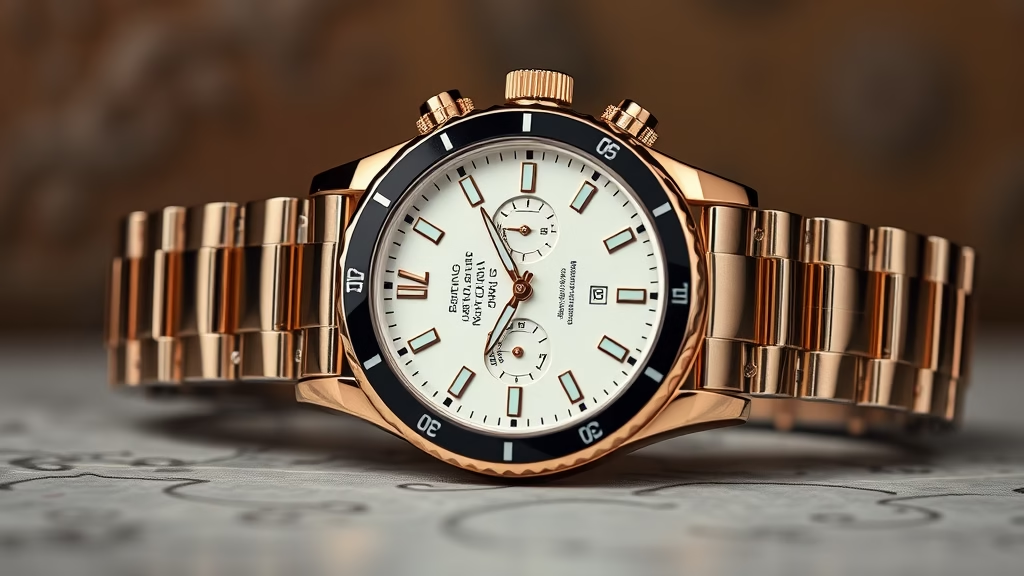
What Are The Most Popular Watch Brands Among Men And Women In UAE And Saudi Arabia?
Popular Watch Brands Among Men and Women in UAE and Saudi Arabia
In the vibrant markets of the UAE and Saudi Arabia, timepieces are not just functional accessories but also significant fashion statements. Whether you’re a man or a woman, the choice of a watch often reflects personal style, status, and values. Here’s a rundown of the most popular watch brands that capture the hearts of men and women across these Gulf nations.
Luxury Brands Popular Among Men
For many men in the UAE and Saudi Arabia, luxury is key when it comes to selecting a watch. Here are some brands that stand out:
- Rolex: Synonymous with success, Rolex is often the first name that comes to mind. The iconic design coupled with impeccable craftsmanship makes it a favorite.
- Omega: Known for its heritage and precision, Omega is another brand that captures attention. The Speedmaster and Seamaster collections are especially popular.
- Tag Heuer: With a strong association with motorsports, Tag Heuer combines elegance with performance, making it a trendy option among men.
- Patek Philippe: Reserved for the elite, Patek Philippe watches are often seen as investments, prized for their artistry and rarity.
Popular Brands Among Women
Women in the region tend to prefer watches that blend style with elegance. The following brands are particularly favored:
- Cartier: Cartier is well-loved for its classic designs and luxurious finishes. The Ballon Bleu de Cartier is a must-have among fashionistas.
- Michael Kors: Offering a perfect blend of affordability and style, Michael Kors watches are trendy and accessible, appealing to many young women.
- Chanel: Known for its sophisticated and timeless pieces, Chanel watches are often viewed as the epitome of luxury.
- Fossil: Offering a variety of styles that suit different tastes, Fossil provides trendy options at reasonable prices, perfect for everyday wear.
Unisex and Fashionable Choices
In addition to the distinct preferences for men’s and women’s brands, many watches cater to all styles and genders, making them versatile choices in the Middle East.
- Apple Watch: Embracing technology, the Apple Watch has surged in popularity due to its multifunctional features. Fitness tracking and customizable designs appeal to both genders.
- Casio: Famous for durability and affordability, Casio watches, especially G-Shock models, are favored by both men and women looking for stylish yet tough timepieces.
- Seiko: This brand is known for its reliability and craftsmanship. Seiko caters to various styles, offering both casual and luxury watches suitable for everyone.
Emerging Trends in the Watch Industry
The watch market in the UAE and Saudi Arabia is influenced by various evolving trends:
First and foremost, sustainability is becoming a priority for consumers. Brands that offer eco-friendly options or ethically sourced materials are gaining traction. Additionally, smartwatches are on the rise, integrating technology seamlessly into daily wear. With features like health tracking and connectivity, these watches appeal to tech-savvy individuals.
Moreover, customization is a growing trend. Many consumers prefer watches that reflect their unique personalities, leading brands to offer personal engraving and interchangeable straps.
The watch industry in the UAE and Saudi Arabia showcases a blend of luxury, style, and functionality. Whether individuals opt for high-end brands like Rolex and Cartier or more accessible options like Michael Kors and Casio, the common thread is a love for elegant timepieces. This passion for watches not only signifies a sense of style but also the cultures and values cherished in these regions.
As trends evolve, one thing is certain: the love for watches in these markets will continue to grow, making it an exciting landscape of fashion and technology for years to come.
The Influence of Culture on Watch Choices in the Gulf Region
The Gulf region, particularly countries like the UAE and Saudi Arabia, is known for its vibrant culture and a rich history intertwined with modern luxury. This blend profoundly influences watch choices among residents. The preferences extend far beyond mere functionality of telling time, intertwining cultural significance, social status, and personal expression. Understanding the factors that shape these choices provides insight into the evolving market of luxury watches in these nations.
First and foremost, tradition plays a crucial role in shaping watch preferences. Traditionally, watches are not just accessories; they signify status and wealth. Men and women alike appreciate brands that offer exquisite craftsmanship and prestige. Brands like Rolex, Patek Philippe, and Audemars Piguet resonate deeply with consumers wanting a tangible representation of success and accomplishment. The allure of these high-end brands lies in their storytelling, heritage, and association with luxury.
Moreover, cultural events heavily influence watch choices. During festive times, such as Eid, it is common for individuals to give and receive luxurious timepieces as gifts. This practice is steeped in the cultural significance of gifting and celebration, leading many to opt for brands that symbolize luxury and generosity. Oftentimes, this creates an atmosphere of competitive gifting, where individuals seek the latest models or limited editions to showcase their success.
Additionally, social media and celebrity endorsements hugely impact consumer behavior. The rise of platforms like Instagram and TikTok has transformed how trends emerge. Influencers and celebrities from the region often flaunt eye-catching timepieces, steering fans toward specific brands. The visual nature of these platforms enables potential buyers to see luxury watches in a lifestyle context, thus elevating their desirability.
Popular Brands in the Gulf Region
- Rolex: Undoubtedly the most recognized luxury watch brand globally, Rolex signifies success and is a favorite among both men and women.
- Omega: With its deep roots in sports and innovation, Omega appeals to those who appreciate both performance and elegance.
- Audemars Piguet: This brand, particularly known for its Royal Oak model, holds a significant status among watch aficionados in the Gulf.
- TAG Heuer: Popular for its sporty yet sophisticated designs, it attracts a younger audience looking for contemporary styles.
- Cartier: Known for its iconic designs, Cartier stands as a symbol of luxury and sophistication, appealing to both men and women.
Furthermore, the blend of traditional and modern lifestyles in the Gulf motivates consumers to seek versatile watches. Many individuals prefer designs that can transition seamlessly from formal to casual settings. This flexibility allows for greater expression of personal style. As a result, brands that offer both elegance and functionality often find a loyal customer base. Models equipped with smart technology, such as the TAG Heuer Connected, illustrate this trend by merging the classic aesthetic with modern features.
Moreover, the local market has witnessed a growing interest in bespoke and luxury auction platforms. Consumers increasingly seek personalized experiences, with brands offering customization options for watches. This trend highlights not only a desire for individuality but also a commitment to craftsmanship. People in the Gulf region are often willing to invest in pieces that are unique to their tastes, enhancing their personal story. Such a movement toward custom creations indicates an evolving appreciation for the artistry involved in watchmaking.
As the global market continues to diversify, the Gulf region is not left behind. The influx of international brands and varying price segments allows for an expansive range of choices for consumers. This increased exposure is gradually shaping preferences and watch culture. Local brands also test the waters, hoping to capture market share by reflecting regional pride and tradition in their designs.
In essence, the influence of culture on watch choices in the Gulf region is profound and multi-faceted. Tradition hangs in the balance with modernity, while social influences and unique consumer preferences create a rich tapestry of choices. As time goes on, the watch industry in the UAE and Saudi Arabia will likely continue to evolve, reflecting both the region’s heritage and its aspirations.
Luxury vs. Affordable Timepieces: Preferences in the UAE and Saudi Arabia
In the UAE and Saudi Arabia, timepieces hold significant cultural and social value. The luxury watch market thrives due to a high demand for prestige and status symbols. However, affordable timepieces also find their place among consumers. This dynamic landscape presents intriguing insights into preferences, making it essential to explore what drives these choices.
Luxury watches represent more than just a way to tell time; they embody craftsmanship, heritage, and timeless elegance. Brands like Rolex, Audemars Piguet, and Patek Philippe have mastered the art of creating iconic pieces that appeal to those looking for exclusivity. The UAE, in particular, is a hub for luxury shopping, with top retailers showcasing expansive collections. High-net-worth individuals in cities like Dubai and Abu Dhabi often consider owning a luxury watch as an essential part of their lifestyle, associating it with success and social standing.
On the flip side, affordable timepieces, such as Seiko, Casio, and Fossil, are increasingly popular among younger consumers or those looking for practical options. These brands offer stylish designs that cater to modern tastes at a fraction of the cost of luxury brands. In Saudi Arabia, where the youth population is rising, many are inclined to invest in trendy yet budget-friendly watches that reflect their individuality.
The following factors influence the preferences between luxury and affordable timepieces in these regions:
- Social Status: In both UAE and Saudi Arabia, owning a luxury watch can significantly elevate one’s social standing. Men’s and women’s choices often reflect a desire for status and recognition. It’s not uncommon for people to associate luxury timepieces with wealth and success.
- Affordability: While luxury watches cater to a specific demographic, affordable brands attract a broader audience. The appeal lies in their stylish design and functionality without demanding a large financial commitment.
- Style and Trends: Fashion trends play a vital role in shaping watch preferences. Younger consumers tend to gravitate towards trendy, affordable brands that offer chic designs aligning with contemporary fashion.
- Durability: Practicality is essential. Affordable watches are often chosen for their robustness and reliability. Consumers in these markets appreciate pieces that can withstand daily wear, particularly in a rapidly paced modern lifestyle.
- Shopping Experience: Luxury watch boutiques provide a unique shopping experience, contributing to their allure. The personal service and bespoke options available in these stores can influence many to opt for a higher-end timepiece.
The conversation on whether luxurious timepieces or affordable watches dominate often leads to a debate surrounding value. In the UAE, where luxury items are often seen as investments, consumers expect their high-priced pieces to maintain or increase in value over time. Luxury watches, especially from renowned brands, are not merely accessories; they are considered valuable assets that appreciate in worth.
Conversely, affordable watches serve a different purpose. They fulfill everyday needs, allowing wearers to express their style without the financial strain associated with luxury brands. This aspect resonates strongly with younger demographics in both Saudi Arabia and the UAE. They admire branded styling yet prioritize functionality and price, leading to a flourishing market for affordable timepieces.
Gender differences also characterize preferences for watches in these regions. For men, the focus often lies on robust designs and features like water resistance and chronograph functions. Women, appealing to elegance and style, often choose watches adorned with jewels or intricate designs that complement their attire. This distinction plays a crucial role in defining market segmentation in these countries.
As the luxury market continues to grow, affordable timepieces are equally thriving. Consumer preferences vary widely based on lifestyle, personal taste, and budget constraints. This balance between luxury and affordability showcases the diverse nature of the watch market in the UAE and Saudi Arabia, reflecting broader trends in consumer behavior and societal values.
Ultimately, whether it’s a luxury watch synonymous with prestige or an affordable timepiece that combines style and practicality, each segment commands loyalty among its followers. Engaging in conversations regarding these preferences reveals insights into what consumers value in their timepieces, shedding light on the continually evolving landscape of horology within these affluent regions.
The Role of Watch Brands in Social Status and Personal Identity
Wearing a watch is often more than just a practical decision; it’s a powerful social statement. The choice of timepiece can reflect individual taste, lifestyle, and even social status. This trend is increasingly visible in regions such as the UAE and Saudi Arabia, where luxury watches are not merely accessories but symbols of identity and prestige.
In these affluent regions, specific watch brands dominate the market due to their reputation, craftsmanship, and status. Here are some of the most coveted watch brands that play a significant role in shaping personal identity and social standing:
- Rolex: A quintessential symbol of success, Rolex watches are synonymous with luxury. Wearing a Rolex can easily signal a certain level of affluence and achievement.
- TAG Heuer: Known for its sporty vibe, TAG Heuer watches reflect a lifestyle that values both elegance and performance. These watches are popular among those who appreciate a blend of functionality and style.
- Audemars Piguet: This brand is known for its high-end pieces, particularly the Royal Oak series. It appeals to individuals who seek exclusivity and a refined taste.
- Omega: With a rich history of innovation and precision, Omega watches are a popular choice among watch enthusiasts. They signify a blend of tradition and modernity.
- Casio: For those who prioritize function over form, Casio offers durable and practical options. It resonates with a tech-savvy crowd who might not seek traditional luxury but value reliability and features.
- Cartier: Cartier timepieces, often associated with sophisticated elegance, are favored for their artistic designs. They signal a commitment to high-end fashion and status.
Choosing a watch brand in the UAE and Saudi Arabia is often intertwined with notions of social status. A luxury watch can assert one’s identity within a competitive environment. Individuals often wear these timepieces in social settings to signify their achievements and lifestyle choices. When meeting potential business partners or engaging in social events, a luxury watch can serve as a conversation starter, reinforcing one’s position within a particular social circle.
For many, the act of wearing a particular watch brand carries deep-rooted cultural implications. In the Middle East, displaying affluence is often equated with success and respect. Watches are not just seen as tools for telling time; they embody personal narratives, aspirations, and the relentless pursuit of excellence. The right watch can communicate values like precision, tradition, and success without a single word being spoken.
Social media also plays a significant role in reinforcing the importance of watch brands. Influencers and celebrities often showcase their luxurious timepieces, creating a trend that spreads quickly among the masses. This visibility amplifies the allure of owning a specific brand, turning it into more than just a watch—it becomes part of one’s identity. People often find themselves aspiring to own the same luxury options their favorite public figures choose, further embedding these preferences into the fabric of society.
Moreover, the choice of watch can also be linked to personal interests and hobbies. For instance, sports enthusiasts might gravitate toward brands like TAG Heuer or Casio, while others who lean towards classic craftsmanship may prefer Rolex or Audemars Piguet. This alignment between personal passion and watch selection enhances the overall identity that a person wishes to project. It creates a narrative that goes beyond mere superficiality and taps into deeper aspects of who one is.
The watch you choose to wear tells a story. It showcases your personality, interests, and, in many cases, your status. In places like the UAE and Saudi Arabia, where luxury and appearance hold significant weight, the decision to wear a specific watch brand becomes an extension of oneself—a crucial part of personal identity. So, whether you’re drawn to the prestige of Rolex or the classic elegance of Cartier, your watch undoubtedly communicates your values and aspirations to the world.
Trends in Watch Design: What is Catching Eyes in the Middle East?
When it comes to watch design, the Middle East showcases a unique blend of tradition and modernity. In recent years, several trends have emerged that are capturing the attention of fashion-forward individuals in regions like the UAE and Saudi Arabia. From bold colors to innovative materials, these trends reflect both cultural heritage and contemporary aesthetics.
Bold Colors and Patterns
One of the most striking trends in watch design is the use of bold colors and intricate patterns. Watches have transformed from simple timekeeping devices to statement pieces. Designers are experimenting with vibrant hues like deep blues, rich reds, and even metallic shades that mirror the luxe lifestyle of the Middle East.
- Luxurious Finish: Polished and shimmering finishes are making a comeback. These catches the light beautifully, making the watch a true focal point of any outfit.
- Traditional Motifs: Many brands are incorporating traditional motifs, such as geometric designs that reflect local culture.
Smartwatch Integration
The rise of technology has influenced watch design significantly. Smartwatches are becoming more prevalent in the Middle East, combining functionality with aesthetics. Users are not just looking for devices that tell time but want those that complement their style.
- Customizable Faces: Many smartwatches allow users to change watch faces, offering the chance to personalize their timepiece.
- Health Monitoring Features: Features like heart rate and activity tracking are hot selling points, appealing to health-conscious consumers.
Minimalist Designs
While boldness captures attention, minimalist design is also trending. Simple, clean lines and understated elegance make for timeless pieces that are versatile and suitable for various occasions.
- Neutral Tones: Watches in beige, white, and black are gaining popularity for their adaptability.
- Fewer Complications: A focus on just the essentials—hours, minutes, and at times, seconds—leads to a sleeker profile.
Ethical and Sustainable Choices
As global awareness of sustainability grows, consumers in the Middle East are also looking for ethically-produced timepieces. Brands that prioritize eco-friendly materials and sustainable practices are now in high demand.
- Recycled Materials: Watches made from recycled metals and plastics are appealing to eco-conscious buyers.
- Transparency in Sourcing: Brands that disclose their sourcing practices and materials are winning the trust of consumers.
Luxury Meets Functionality
Luxury watch brands are not just focusing on aesthetics; they are also integrating more functionalities into their designs. Whether it’s waterproof features or scratch-resistant surfaces, a watch’s durability enhances its desirability.
- Technical Innovations: Automatic movements and high-complication features are being incorporated without sacrificing style.
- Brand Collaborations: Collaborations between tech companies and luxury brands are yielding unique results that attract attention.
Personalization Options
The growing trend of personalization is evident in watch design, allowing customers to add their unique touch. This trend is particularly popular among young consumers who desire individuality in their style.
- Engravings: Many brands offer the option to engrave names, dates, or personal messages.
- Interchangeable Bands: With many available styles, wearers can switch out bands to suit their personal taste.
The landscape of watch design in the Middle East is vibrant and ever-evolving. Whether you favor bold colors, minimalist styles, or sustainable options, there’s a watch that perfectly matches your personality. Stay ahead of trends by keeping an eye on these developments—your timepiece could become not just a way to tell time, but a true reflection of your individuality and style.
Conclusion
The watch market in the UAE and Saudi Arabia is as diverse as the cultures that thrive in these regions. Popular watch brands, ranging from luxury powerhouses like Rolex and Patek Philippe to accessible choices like Casio and Seiko, cater to a wide array of preferences. Men and women alike gravitate towards timepieces that not only serve a functional purpose but also reflect personal identity and social status.
Cultural factors play a significant role in shaping watch choices. Traditional values blend seamlessly with modern trends, resulting in a unique appreciation for watches that combine craftsmanship with symbolic meanings. Whether it’s a luxurious watch that marks a milestone or an affordable piece that fits daily life, each choice communicates something about the wearer.
For many in the Gulf region, the distinction between luxury and affordable timepieces often hinges on quality and design rather than price alone. Social status is intricately linked to watch ownership, where high-end brands signify wealth and success, while equally stylish affordable watches highlight practicality and personal taste.
As we look at current trends, minimalist designs and smartwatches are capturing attention, showcasing an evolution in preferences. The rise of bold colors and intricate designs also reflects the region’s vibrant culture, blending tradition with contemporary aesthetics.
The journey through the watch landscape in the UAE and Saudi Arabia reveals much about the local ethos. Whether opting for luxury or affordability, the choice of a watch is more than just a timekeeping accessory; it’s an expression of individuality, influenced by culture, status, and evolving trends.
